
China Top 10 CCS2 Charging Station Manufacturers

China has become an important source of electric vehicle charging equipment, with manufacturers serving projects from roadside hubs to workplace car parks. Choosing a supplier takes more than comparing advertised power. A CCS2 charging station must deliver stable output, manage heat, communicate reliably with vehicles, and remain practical to maintain. Small details matter.

This guide introduces ten Chinese manufacturers and compares the factors buyers can verify: product range, charging power, connector design, software capabilities, quality controls, service coverage, and project experience. Public product specifications offer a useful starting point, but they do not tell the whole story. Installation conditions, grid capacity, climate, and local service arrangements can change how a charger performs in daily use. Ask suppliers for test documentation and clear warranty terms.

Rankings are never perfect. Product lines change, and a strong fit for a fleet depot may not suit a public charging network. The companies featured here should therefore be treated as candidates for further evaluation, not automatic recommendations. Look closely at communication protocols, uptime support, spare-parts access, and the way each manufacturer handles faults. A polished brochure is not proof. Real operating data helps. This comparison aims to make that first screening more focused, while leaving room for questions that only a project-specific assessment can answer.
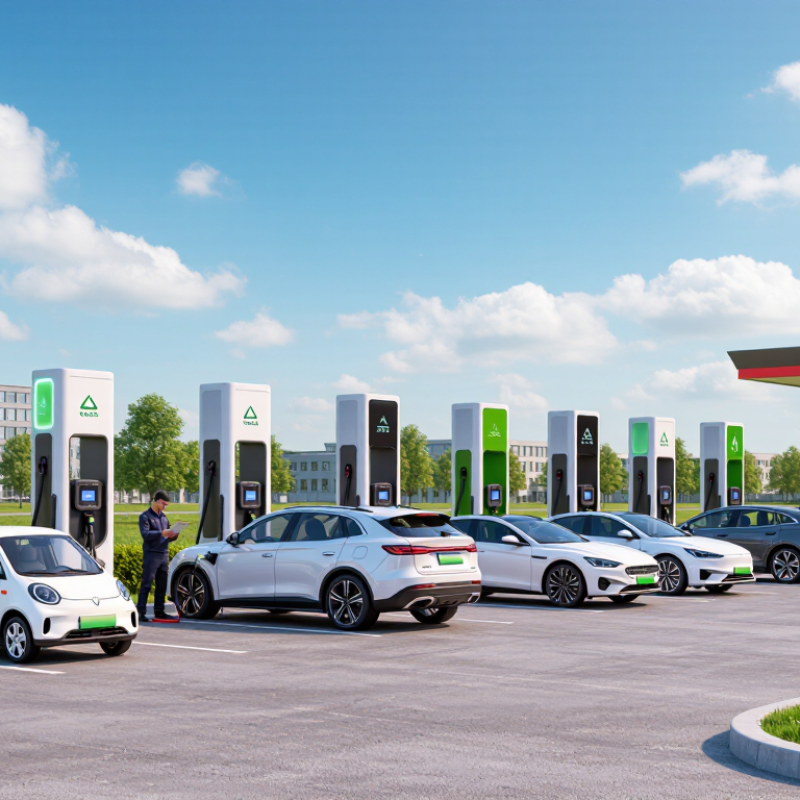
China Top 10 CCS2 Charging Station Manufacturers

What Is CCS2 Charging Technology?

CCS2, or Combined Charging System Type 2, combines a Type 2 connector with two larger DC contacts. This design lets one vehicle inlet support AC charging and rapid DC charging. The connector is only part of the system. The vehicle and charging station also exchange information before power flows, helping them agree on safe operating conditions. A short pause before charging begins is normal.

During a DC session, the station supplies power directly to the battery system, while the vehicle manages battery limits. Charging speed depends on more than the station’s rated output. Battery temperature, state of charge, vehicle capability, and available site power can all reduce it. A high-power station does not guarantee a high-power session. Not magic. The cable, connector, and cooling arrangements also matter, especially during sustained charging.

For drivers, CCS2 means checking that the plug is fully seated and watching for the station to confirm the session. For operators, inspection of contacts and cables can help catch wear or damage early. One detail is easy to oversimplify: connector compatibility does not mean every vehicle charges at the same rate. Actual performance varies, and published peak figures may not reflect a typical stop. That distinction deserves clearer explanation.

How CCS2 Charging Stations Work

A CCS2 charging station delivers direct current to an electric vehicle’s battery through the connector’s two large DC contacts. The same plug also has smaller pins for communication and control. Before power flows, the vehicle and station exchange basic information, including battery limits and requested charging conditions. Safety checks confirm that the plug is seated and the circuit is ready. No handshake, no high-power charging.

The station’s power electronics convert incoming electricity into DC and adjust output to match the vehicle’s request. The battery management system monitors voltage and temperature, then signals how much current the battery can accept. Charging is usually faster when the battery is low and warm. Near full, the vehicle gradually reduces the charging rate to protect the cells. Real charging is less tidy than diagrams suggest; cold weather, shared power, or a busy site can change the experience.

Tips: Check the vehicle’s maximum DC charging rate before choosing a station. Park close enough to avoid pulling the cable tight. If charging slows, look at battery temperature and charge level before assuming the equipment has failed. A small display detail can save a frustrating detour.

China Top 10 CCS2 Charging Station Manufacturers - How CCS2 Charging Stations Work

Brand-neutral technical overview of the main components, standards, and operating stages of CCS2 charging.

# Stage or component How it works Relevant interface or standard Key technical detail
1 CCS2 connector The vehicle inlet and charging plug connect through the Type 2 upper section and two additional large DC contacts. IEC 62196-2 and IEC 62196-3 The combined connector supports AC charging through the Type 2 contacts and DC charging through the dedicated DC contacts. Ratings depend on the specific equipment.
2 Connection detection The station and vehicle detect that the plug is connected and check the control signals before power transfer is enabled. Control Pilot (CP) and Proximity Pilot (PP); IEC 61851-1 The control pilot communicates charging states; the proximity circuit helps detect the connector and, in applicable designs, cable-current coding.
3 User authorization A charging session may be authorized using a local or network-based method before charging begins. Examples include RFID, a mobile application, or Plug & Charge where supported The available method depends on the station, network, vehicle, and service configuration; authorization is not identical at every site.
4 Vehicle and station communication For DC charging, the vehicle and station exchange information to establish charging parameters and coordinate the session. PLC communication; DIN SPEC 70121 and/or ISO 15118, depending on implementation Supported communication protocols and features vary by vehicle and charger. ISO 15118 features are not available in every installation.
5 Battery limits and charge request The vehicle’s battery management system reports or coordinates the voltage and current limits the battery can accept. DC charging communication between the vehicle and EV supply equipment The requested power can change during a session as battery state of charge, temperature, and operating limits change.
6 DC power conversion In DC fast charging, conversion from the site’s AC supply to controlled DC takes place in the charging station; DC is delivered to the vehicle battery system. IEC 61851-23 The station regulates its output within the limits agreed with the vehicle. Actual voltage, current, and power depend on both systems.
7 AC charging path When configured for AC charging, AC power passes through the Type 2 contacts and the vehicle’s onboard charger converts it for the battery. IEC 62196-2 and IEC 61851-1 AC charging power is limited by the supply, station, cable, and vehicle onboard charger. CCS2 does not mean every station offers both AC and DC outlets.
8 Power control and sharing The station adjusts output to stay within equipment and vehicle limits; some sites also coordinate available power among charging outlets. Station control system and site energy management A charger’s rated maximum is not a guaranteed session power. Power may be reduced by vehicle limits, site capacity, or shared-output operation.
9 Electrical and thermal protection Monitoring and protective functions help stop or limit power if operating conditions fall outside permitted limits. IEC 61851 series and applicable equipment safety requirements Protection design varies by equipment. High-current cable assemblies may use liquid cooling, but this is not a feature of every CCS2 charger.
10 Session stop and connector release Charging ends when the user or vehicle requests a stop, or when the session reaches its configured end condition. Power is stopped before the connector is removed. Vehicle–station communication and connector interlocking The station records session information where metering or network services are enabled; connector release procedures depend on the vehicle and charger.

Note: Standards editions, connector ratings, supported protocols, and available features depend on the equipment and market. Consult the station and vehicle specifications for their exact limits.

Key Criteria for Choosing a CCS2 Station Manufacturer

When comparing CCS2 charging station manufacturers, start with the site, not the sales brochure. Match rated power to the vehicle mix, grid capacity, and expected daily use. A busy roadside site needs different thermal management and cable handling than a small workplace. Ask how the unit behaves during sustained charging, hot weather, and repeated connector use.

Review test records, safety documentation, and certification for the markets where the station will operate. Check CCS2 compatibility, communication protocols, remote monitoring, and software update procedures. Ask for evidence of interoperability testing, not just a list of supported features. Small details matter. A heavy cable that drags on wet pavement can become a daily nuisance. No spec sheet reveals everything.

Request references from installations with similar power levels and climates. Confirm warranty terms, spare-part availability, response times, and who handles remote diagnostics. If possible, inspect a production unit and ask how faults are logged during factory testing. I would not choose on price alone, though a premium quote is not proof of better quality either. Compare the same requirements across suppliers, then note what remains uncertain. No scorecard is perfect. A careful buyer should leave room for questions.

Profiles of 10 Chinese CCS2 Charging Station Manufacturers

These profiles of ten Chinese CCS2 charging station manufacturers offer a practical starting point for comparison, not a ranking. Assess each company using verifiable product information: rated output, charging controls, connector and cable design, enclosure protection, and installation support. Some suppliers may focus on compact workplace units, while others may offer higher-output systems for fleet depots or public sites. Confirm these distinctions in current datasheets rather than relying on broad marketing claims.

Tips: Match rated power to site capacity and vehicle needs. Request test reports, warranty terms, spare-parts details, and software compatibility in writing. A polished brochure is not enough.

A useful profile looks beyond the charging cabinet. Ask how remote monitoring works, whether fault records can be exported, and who handles commissioning and maintenance. Check that the CCS2 configuration suits the intended vehicles and local electrical conditions. These details can matter more than a headline power figure. Be cautious with vague claims; a company profile cannot replace a site survey, and product lines change. Even experienced buyers may overlook service arrangements. Verify current specifications directly before making a purchasing decision.

How to Compare Manufacturers by Products and Capabilities

China Top 10 CCS2 Charging Station Manufacturers

Comparing manufacturers by product range is more useful than comparing headline power alone. Check whether a supplier offers compact AC units, DC fast chargers, and scalable power cabinets for different site needs. Confirm rated output under realistic operating conditions, not just peak figures. Numbers can mislead. Ask for test records showing temperature control, power sharing, and performance during sustained charging.

Inspect the physical details. Look at cable length, connector cooling, enclosure protection, and how easily technicians can replace key modules. Request product documentation and relevant test reports, then verify that the equipment matches your installation requirements. Test the software, too. Ask whether the charger supports the communication protocols your network needs and how firmware updates are managed. A polished interface is helpful, but dependable fault logs and remote diagnostics matter more during a busy service day.

Manufacturing capability includes consistency, not just factory size. Ask how units are inspected, how components are traced, and what spare parts are available locally. Clarify warranty terms and typical support response times in writing. That matters. A supplier may show a strong sample, while delivery schedules or after-sales support remain less clear. I would compare at least two complete proposals, including installation assumptions and service costs. Some gaps only appear after the first winter. It is worth asking how output changes in heat, cold, and high-demand periods.

CCS2 DC Charger Power Classes

A product-focused reference for comparing the rated output power offered across CCS2 charging station portfolios.

The values show common rated power levels found in CCS2 DC charger product ranges, not a ranking of manufacturers. Actual charging speed depends on the vehicle, battery state, temperature, and the station’s power-sharing configuration.