Why Choose a Training Swimsuit for Competitive Swimming?
Competitive swimming demands more than speed. It demands repeatable technique, controlled movement, and equipment that performs through exhausting sessions. This is where a Training Swimsuit becomes valuable. Unlike a race suit, it is designed for frequent use, pool chemicals, and hours of structured practice.
Brett Hawke, an Olympic swimmer and experienced swimming coach, often emphasizes a simple principle: “Technique must survive fatigue.” That idea explains why training swimwear matters. A well-fitted Training Swimsuit should stay secure during flip turns, streamline drills, and powerful underwater kicks. It should not constantly shift at the shoulders or create distracting folds around the hips. Small interruptions can become repeated technical problems.
Comfort matters too. A swimmer may spend ninety minutes moving between warm-ups, sprint sets, pull drills, and recovery laps. Chlorine-resistant fabric, stable straps, and moderate compression can help the swimmer remain focused. The suit should feel supportive, not restrictive. This distinction is easy to overlook.
Fit remains personal.
A suit that works for one athlete may fail another. Body shape, training volume, fabric quality, and personal comfort all influence the choice. Some swimmers prefer tighter support, while others need greater freedom around the shoulders. There is no perfect design for everyone, and pretending otherwise would be misleading.
Choosing a Training Swimsuit is therefore a practical decision, not merely a style preference. The right option can support consistency, confidence, and durable training habits. Yet swimmers should still assess stitching, lining, sizing, and care instructions before buying. A thoughtful choice begins with honest observation, not marketing promises.
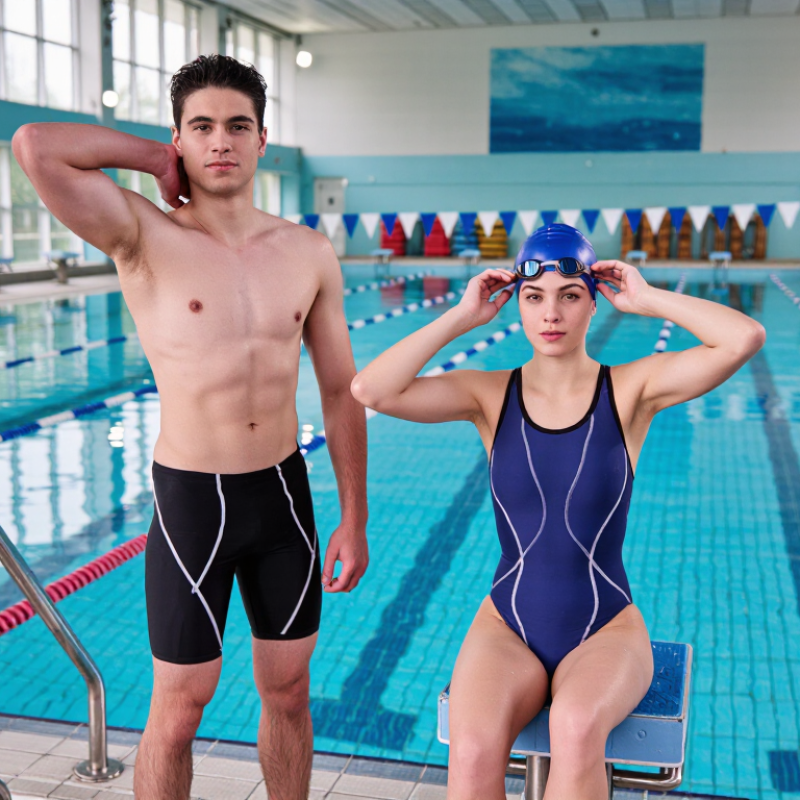
What Is a Training Swimsuit for Competitive Swimming?
A training swimsuit for competitive swimming is a practice suit built for repeated pool use.
It usually uses durable, chlorine-resistant fabric and secure stitching. The fit should stay close without squeezing the ribs or restricting shoulder rotation. Wide, stable straps help during starts, turns, and long sets. Moderate coverage also keeps the suit in place when a swimmer pushes off the wall.
It is not simply a less expensive racing suit. Racing suits often focus on compression and minimal drag during competition. Training suits prioritize comfort, resilience, and dependable movement over many hours.
That difference matters. On a busy pool deck, I have seen swimmers adjust loose straps between intervals. Small distractions can break rhythm.
In practical terms, swimmers wear training swimsuits for drills, endurance sets, and repeated technique work.
A reliable suit should recover its shape after stretching and dry without becoming rough or misshapen. Coaches often check whether the shoulder area moves freely during catch and recovery. The correct size should feel secure when wet, not only in the changing room.
Try it. Bend, stretch, and imitate a streamline position before training.
Still, no suit solves every problem. Some fabrics feel warmer, while certain cuts rub sensitive areas after several hours. I once underestimated that detail and regretted it during a long session.
Swimmers should inspect seams, lining, and strap placement regularly. A worn suit can create unnecessary adjustments and weaken focus in the water.
How Training Swimsuits Differ from Racing Suits
A training swimsuit is built for repeated practice, not one perfect race. During long sessions, swimmers face chlorine, frequent starts, hard turns, and constant stretching. The fabric needs to recover after hours in the pool. A practical fit also matters. It should stay secure during kick sets without pressing painfully against the shoulders or hips. Comfort supports better technique.
Training swimsuits usually provide more coverage and moderate compression. Their fabric often feels softer and more forgiving. This helps swimmers move through drills, pull sets, and recovery laps. Some designs include wider straps or a more stable back. Small details matter. A loose strap can distract a swimmer during every turn.
Racing suits serve a different purpose. They generally use tighter compression and highly streamlined fabrics. The close fit can reduce drag and help the body maintain a clean position. However, racing suits may feel restrictive during long practices. Putting one on can also take patience, especially when the fabric is dry. Suit performance depends on correct sizing, body shape, stroke style, and pool rules. A suit that feels fast for one swimmer may feel uncomfortable for another. I would not treat maximum compression as an automatic advantage. Regular training often needs freedom, durability, and reliable comfort more than race-day tightness.
Key Benefits of Wearing a Training Swimsuit
A training swimsuit is built for repeated pool use, not occasional beach wear. In coaching sessions, I notice the difference after several weeks: a reliable suit keeps its shape during starts, turns, and high-elbow drills. Chlorine-resistant polyester or PBT blends usually offer better durability than fashion-focused fabrics. They also dry faster between morning and evening practices. A close fit can reduce loose fabric and distractions, but it should never restrict breathing or shoulder rotation.
The Sports & Fitness Industry Association’s 2024 Topline Participation Report recorded roughly 28 million U.S. swimming participants in 2023. That scale shows why durable training equipment matters. A training swimsuit can lower replacement frequency and support consistent practice. It may also provide light compression, helping the swimmer feel streamlined during repeated intervals. However, compression is not a guaranteed performance boost. Comfort, mobility, and correct sizing matter more. I have sometimes chosen a less firm suit because shoulder fatigue made technical work worse.
Tips: Check the leg openings, straps, and lining before buying. Stretch the fabric gently and look for transparent areas. Rinse the suit with fresh water after every session. Avoid hot dryers, which can weaken elastic fibers. Replace the swimsuit when fabric becomes thin, loose, or uncomfortable. The best choice is practical, not dramatic.
Why Choose a Training Swimsuit for Competitive Swimming?
A training swimsuit is designed for repeated pool sessions, offering a practical balance of comfort, movement freedom, coverage, and durability. The chart shows general suitability ratings for common training priorities on a five-point scale.
Key takeaway: Training swimsuits prioritize long-session comfort, secure fit, unrestricted movement, and resistance to frequent use, making them suitable for regular competitive swimming practice.
How to Choose the Right Training Swimsuit
Why Choose a Training Swimsuit for Competitive Swimming?
Choosing the right training swimsuit can improve comfort during long pool sessions. A durable suit should fit closely without restricting your shoulders, hips, or breathing. Look for chlorine-resistant fabric and secure stitching around the straps and leg openings. The material should recover its shape after stretching. A loose suit creates drag and may distract you during repeated drills. A tight suit can leave red marks and limit movement. Neither feels useful.
Tips: Try the swimsuit before serious training. Raise both arms, bend forward, and rotate your shoulders. Check whether the straps stay flat and the fabric remains in place. Choose a simple, supportive back design for frequent practice. Wider straps often reduce pressure during longer sessions. Read the care instructions carefully, then rinse the suit with clean water after each swim. Avoid rough surfaces that can catch the fabric.
I once selected a suit mainly because it looked sleek. That was a mistake. After several hard sessions, the leg openings felt uncomfortable, and I noticed the fabric thinning. A better choice would have included durability, fit, and personal movement. Sizing charts help, but they are not perfect. Body shape and fabric stretch can differ. If possible, test the suit in water before committing to regular use. Small discomfort becomes hard to ignore after thousands of strokes.
When to Use and Replace a Training Swimsuit
Why Choose a Training Swimsuit for Competitive Swimming?
A training swimsuit faces repeated chlorine, stretching, and hard pool walls. It must support movement without restricting shoulder rotation. The CDC’s Model Aquatic Health Code sets a minimum free-chlorine level of 1.0 ppm for many pools. That exposure gradually weakens elastic fibers, even when fabric still looks acceptable.
Use a training swimsuit during daily drills, endurance sets, and technique sessions. Rinse it immediately with clean, cool water. Do not wring it aggressively. Let it dry flat, away from direct heat. Textile Exchange’s 2024 Materials Market Report recorded 124 million tonnes of global fiber production in 2023. Polyester remained the largest fiber category. Polyester blends can resist chlorine better than ordinary fashion fabrics, but no swimsuit is chlorine-proof.
Replace the suit when the leg openings stay loose, the fabric turns transparent, or recovery becomes slow. A stretched waistband can cause drag and awkward adjustments during starts. World Aquatics competition regulations also require approved suit construction, so training gear should not replace meet-specific equipment.
There is no universal replacement date. A 30-session rule sounds neat, but it is not evidence-based. Pool chemistry, washing habits, and training volume change the result. A frequent swimmer may need replacement after several months. A lighter user may keep one longer. Check the lining, seams, and compression each week. I have seen swimmers trust appearance too much. That judgment deserves reconsideration.